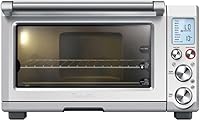
How to Clean a Convection Toaster Oven
To clean a convection toaster oven, let it cool completely, wipe the interior with warm soapy water, soak the racks and trays, and clear the fan cover of grease so air moves freely. Avoid spraying liquid into the fan opening or heating the oven just to loosen food.
On this page (7 sections)
- Why is a convection toaster oven harder to clean?
- What should you gather before you start cleaning?
- How do you clean the inside of a convection toaster oven?
- How should you clean the racks and trays?
- How do you deal with burnt-on grease and stubborn spots?
- How do you keep a convection toaster oven cleaner between deep cleans?
- Which supplies do you actually need for this job?
Here's how to clean a convection toaster oven: unplug it and let it cool fully, then wipe the interior with warm soapy water, soak the racks and trays, and clear grease from the fan cover so the convection fan can move air freely. No harsh oven cleaner, no liquid sprayed into the fan opening.
The convection part is what makes this job different from cleaning a plain toaster oven. The fan sits behind a slotted cover, and grease that collects there cuts airflow and can smell burnt on the next bake.
So the routine is mostly about reaching that fan area without soaking the motor.
Why is a convection toaster oven harder to clean?
A convection toaster oven moves hot air with a fan, so grease and crumbs end up in more places than on the walls and floor. The fan cover, the rear wall around it, and the space behind the racks collect fine mist from roasting and broiling.
A plain toaster oven mostly soils its floor and door glass. A convection model also pulls smoke and fat vapor through the fan opening, so a wipe-down that skips the rear wall leaves a sticky film that browns with each use.
Our toaster oven settings guide explains when the fan runs hardest, and those are the cooks that leave the most residue.
The door gasket and the crumb tray catch what falls. Heat that once moved evenly starts to run hot on one side once airflow is blocked, which is a cleaning problem before it's a repair problem.
Wiping weekly is faster than scraping monthly.
What should you gather before you start cleaning?
Gather warm water, mild dish soap, a soft sponge or cloth, a non-abrasive plastic scraper, and paper towels, plus baking soda for burnt spots. Skip steel wool, metal scouring pads, and spray oven cleaner.
Set the items next to the sink so you can move removable parts straight into suds. A shallow basin wide enough for the racks saves splashing.
Have a second dry cloth ready for the fan area, since that spot should finish dry.
If you use a nonstick liner or a stainless tray, decide now whether they go in the dishwasher or the sink. Both the bouti1583 liners and the TeamFar pan are labeled dishwasher safe, but a hand wash is gentler on nonstick surfaces over time.
Unplug the oven before anything else. A warm oven is not ready; waiting for a full cool-down prevents burns and stops water from flashing into steam.
How do you clean the inside of a convection toaster oven?
Start with the coolest, simplest method first: warm soapy water and light scrubbing, then move to a baking soda paste for baked-on spots. Work top to bottom so drips don't dirty cleaned areas.
- Unplug and let the oven cool completely.
- Take out the racks, trays, crumb tray, and any liner.
- Wipe the ceiling, walls, rear fan cover, and floor with a soapy cloth.
- Soften stuck food with a warm wet cloth, then lift it with a plastic scraper.
- Wipe away soap with a clean damp cloth and dry everything.
- Clean the door glass inside and out, then the exterior.
Keep the cloth damp rather than dripping. Water that runs into the fan opening or the control panel seams can damage the oven.
Wring the cloth out before touching the rear wall.
For burnt-on spots, mix baking soda with a little water into a paste, spread it on the spot, and leave it for 10 to 15 minutes. Wipe it away with a damp cloth; don't scrub hard on a coated interior.
Never use an oven cleaner spray inside a toaster oven. The cabinet is small and close to food surfaces, so fumes and residue are hard to remove.
Warm water and a little patience do the job safely.
How do you clean the convection fan and its cover?
Clean the fan cover only when the oven is unplugged and cool, and wipe around the fan blades rather than soaking them. Many covers lift off or unscrew, and the maker's instructions tell you whether yours is removable.
If the cover comes off, soak it in warm soapy water and scrub the slots with a soft brush. Wipe the fan blades with a barely damp cloth and let them air dry.
Don't bend the blades or spray cleaner directly at the motor behind them.
If the cover stays in place, wipe the slots from the outside with a damp cloth and a soft brush, then dry. A dry toothbrush reaches between the slots without pushing grease inward.
Clear slots mean the fan pulls air the way it should on the next bake.
Skip this step only when the cover is sealed to the cabinet. In that case, wipe the outer surface and leave the motor area alone.
Our guide to how to clean an air fryer toaster oven covers the fan-heavy models that combine both functions.
How do you clean the door glass and gasket?
Clean the glass inside and out with warm soapy water, then buff it dry with a lint-free cloth. Grease film on the inner glass is the most common reason people think the oven is dirty when the interior is fine.
Reach the space between the door panels only if your maker allows the glass to be removed. Don't pry at the door or spray cleaner into the gap.
Wipe the gasket or seal with a damp cloth and check for crumbs stuck against it.
A clean window lets you watch browning without opening the door, which keeps heat inside. That matters more on convection models because each door opening drops the temperature the fan has to rebuild.
See our beginner's guide to cooking in a toaster oven for habits that keep the interior cleaner.
How should you clean the racks and trays?
Soak the racks and trays in warm soapy water for 15 to 20 minutes, then scrub with a non-abrasive pad and rinse. A stainless tray comes clean faster than a wire rack with baked-on grease in the joints.
Chrome wire racks often are not dishwasher safe, so hand wash them unless the maker says otherwise. Lay them flat in the sink so they don't warp.
A soft brush gets into the corners where grease hides.
For a stainless pan like the TeamFar tray, a paste of baking soda and water lifts browned edges without scratching the mirror finish. Rinse well and dry it fully before it goes back in the oven.
Who should use a nonstick oven liner?
The bouti1583 2-pack suits anyone who wants fewer scrubbing sessions on the oven floor. Each liner is 11 x 9 inches and made of PTFE nonstick material, so drips and crumbs land on the liner instead of the floor.
bouti1583 says the liners tolerate heat up to 500°F and work in convection, electric, gas, and microwave ovens. Trim them with household scissors to fit a smaller floor.
Place one under the rack where drips fall, not touching the heating elements.
Skip a liner if your manual warns against covering the oven floor or if the elements sit low enough to touch it. A liner that blocks airflow under the rack defeats the point of a convection fan.
Our toaster oven settings article covers where heat comes from in each mode.
When is a stainless tray the better choice?
A stainless tray like the TeamFar pan suits readers who roast and broil often and want one pan that takes high heat. It measures 9.3 x 7 x 1 inches and is made of 430 stainless steel with no coating.
The raised sides contain liquid so it doesn't run onto the oven floor. TeamFar says the pan is dishwasher safe and has a smooth mirror finish that releases food with a light wash.
Line it with foil for sticky glazes if you like.
Skip it if you need a larger pan for family-sized batches; this size fits compact ovens and small servings. Measure the interior width first so the pan clears the rack and the door.
How do you deal with burnt-on grease and stubborn spots?
Use baking soda paste and time, not force, for burnt-on grease. Spread the paste on the spot, let it sit, then lift it with a plastic scraper.
Scratching the coating creates a rougher surface that traps grease next time.
For the crumb tray and racks, soak longer rather than scrubbing harder. Hot water plus dish soap loosens most grease in 20 minutes.
A nylon brush reaches the corners of a tray without gouging.
Don't use a knife, a screwdriver, or a metal scouring pad on the oven floor. If a spot won't move after two rounds of paste and soaking, leave it and wipe the area clean.
A small stain is better than a scratched interior.
Ventilate the kitchen while you work. Some grease films release a smell as they loosen, and fresh air keeps the job pleasant.
Wipe the exterior with a damp cloth so fingerprints and splatter don't build up.
How do you keep a convection toaster oven cleaner between deep cleans?
The easiest way to keep a convection toaster oven clean is to wipe it while it's still slightly warm after each use, when grease hasn't hardened yet. A quick pass takes a minute and delays the next deep clean.
Line the floor, use a tray with sides for juicy foods, and cover splattery dishes with foil. Empty the crumb tray after every session; crumbs that sit and toast create smoke.
Wipe the door glass whenever it starts to look hazy.
Check the fan cover for grease every few weeks. Clear slots keep air moving evenly, which matters for baking and roasting.
If the oven starts heating unevenly, cleaning the fan area is the first thing to try before assuming a repair.
Our article on how long toaster ovens last explains which parts usually wear out first. Regular cleaning of the fan and elements is one of the few things that genuinely extends the life of the appliance.
How can a thermometer help you spot a cleaning problem?
An analog oven thermometer shows whether the oven still holds the temperature you set, which tells you if airflow or element problems are building. The Taylor 3-inch dial reads from 100°F to 600°F.
Place it on a rack where you can see the dial through the glass. If the oven runs far from the setting after a clean fan cover and clean elements, the issue is likely mechanical.
The Taylor dial has color-coded zones and a stainless steel body.
Skip it if you already trust your oven's display or use a digital probe. An analog dial needs no batteries, which suits a quick check between bakes.
Which supplies do you actually need for this job?
For cleaning a convection toaster oven, warm soapy water and a soft cloth do most of the work, and the extras are about preventing future mess. Pick a liner or a stainless tray to reduce floor scrubbing, and keep a thermometer handy to confirm even heat.
Choose the bouti1583 liner set if drips on the floor are your main chore. Choose the TeamFar pan if you want one deep-sided stainless tray for roasting.
Add the Taylor thermometer if you want to know the oven still heats evenly after cleaning.
Avoid the shortcuts: no oven cleaner spray, no metal scrapers, no soaking the fan motor. A clean fan cover and a wiped interior keep air moving and the next bake even.
For more on getting the most from the appliance, read our beginner's guide to cooking in a toaster oven.
Frequently asked questions
How often should I clean a convection toaster oven?
Wipe the interior and clear crumbs weekly, and do a deeper clean of the fan cover and trays every month or two. Wipe sooner when you see smoke, smell burnt grease, or notice the fan sounding rough.
Can I use oven cleaner inside a toaster oven?
No. Toaster ovens are small and close to food surfaces, so harsh sprays and fumes are hard to rinse away.
Use warm soapy water and baking soda paste on removable parts instead, and keep the fan opening dry.
Why does my convection toaster oven smell like burning after cleaning?
A little smell after cleaning is usually water or cleaning residue burning off the heating elements. Run it empty for 10 to 15 minutes with the door ajar and the room ventilated, then let it cool.
Can I put the racks and trays in the dishwasher?
Check the maker's instructions first. Stainless steel trays like the TeamFar pan are labeled dishwasher safe, and nonstick liners like the bouti1583 set are too.
Chrome wire racks often are not, so hand wash those.
What should I use to scrape stuck food off the oven floor?
Use a plastic scraper or a wooden spoon, not a knife or metal pad. Soften burnt spots with a warm wet cloth or a baking soda paste first, then lift them gently so you don't scratch the coating.
Is it safe to leave the door open while it runs to air out?
Follow your manual. Many convection toaster ovens allow a short empty run with the door slightly open for venting.
Never leave the kitchen while the oven is on, and keep children away from the hot door.